How many patient calls is your practice missing?
Most dental practices miss 30-40% of inbound calls. See how AI reception can capture every call 24/7.
Running a dental practice goes far beyond clinical expertise. Behind every smile transformed is a busy team juggling appointments, claims, and communications — often with limited tools or bandwidth. As the industry becomes more competitive and patients expect faster, more convenient service, many practices find themselves struggling with operational bottlenecks that directly affect revenue and patient satisfaction.
Here are five common operational challenges dental practices face — and why it's critical to solve them now:
1. No-Shows and Last-Minute Cancellations
No-shows are more than just an inconvenience — they drain productivity and reduce daily revenue. Many practices lack an efficient reminder and rescheduling system, leaving gaps in the schedule and a stressed-out front desk team.
💡 Solution:
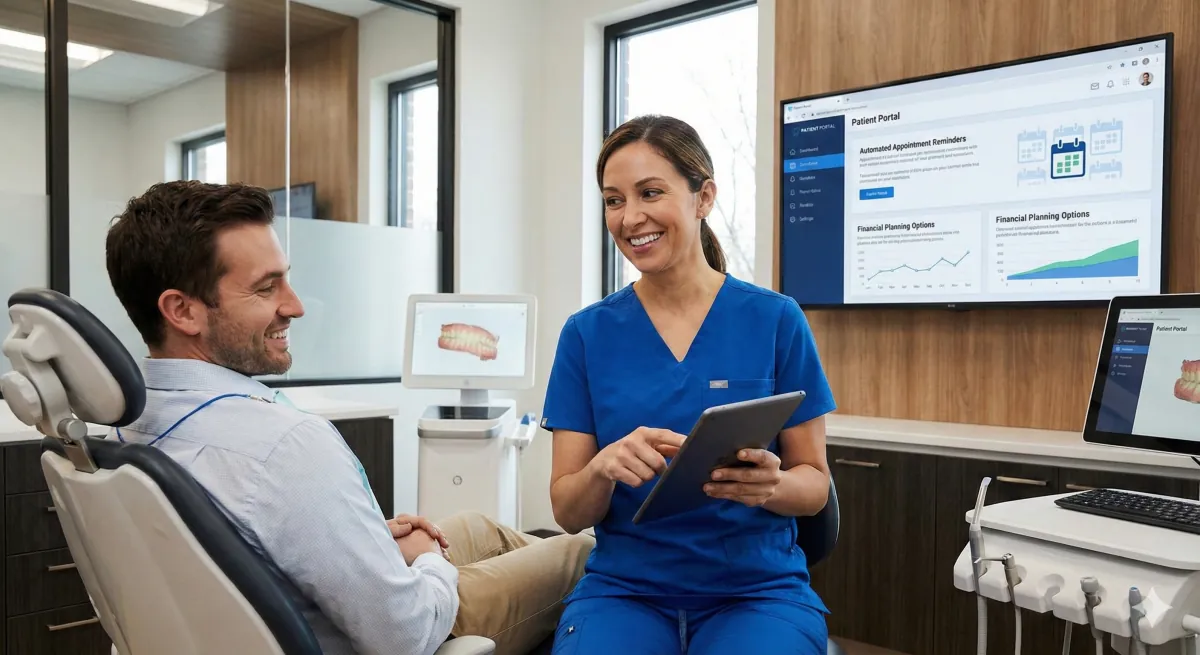
Automated reminders, real-time confirmations, and AI-powered rescheduling can dramatically reduce missed appointments and keep your chairs full.
2. Insurance Verification and Claim Delays
Insurance processing is one of the most tedious and error-prone aspects of dental operations. Incorrect patient data, outdated coverage info, or manual verification processes often result in claim rejections and cash flow delays.
💡 Solution:
A streamlined insurance verification system can speed up pre-approvals, reduce claim rejections, and ensure your staff spends less time on the phone and more time with patients.
3. Staff Burnout and High Turnover
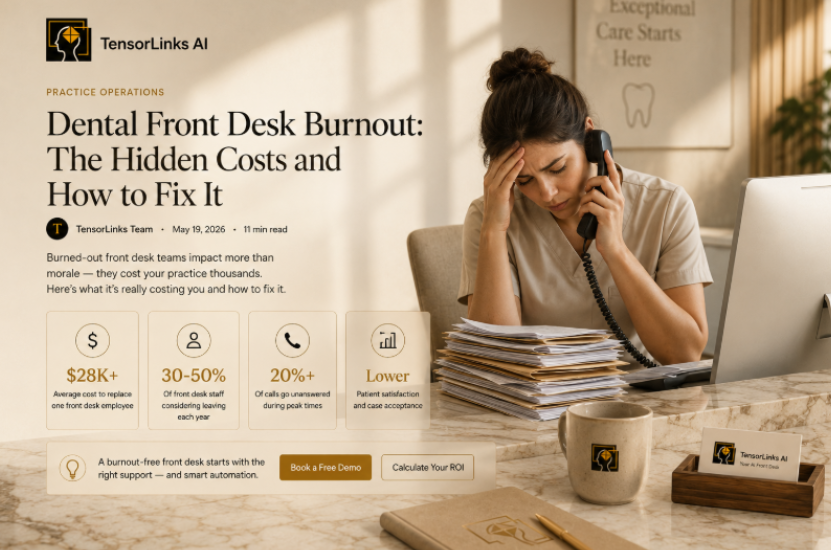
From administrative overload to limited tech support, dental teams often feel the pressure of wearing multiple hats — leading to decreased morale and high turnover rates.
💡 Solution:
Smart task automation and real-time workflow management can reduce repetitive work, ease onboarding for new staff, and help your team stay energized and focused on patient care.
4. Inefficient Patient Communication
Missed calls, unreturned voicemails, and unclear treatment plans can frustrate patients — leading them to seek more responsive competitors. Traditional communication methods just aren't cutting it.
💡 Solution:
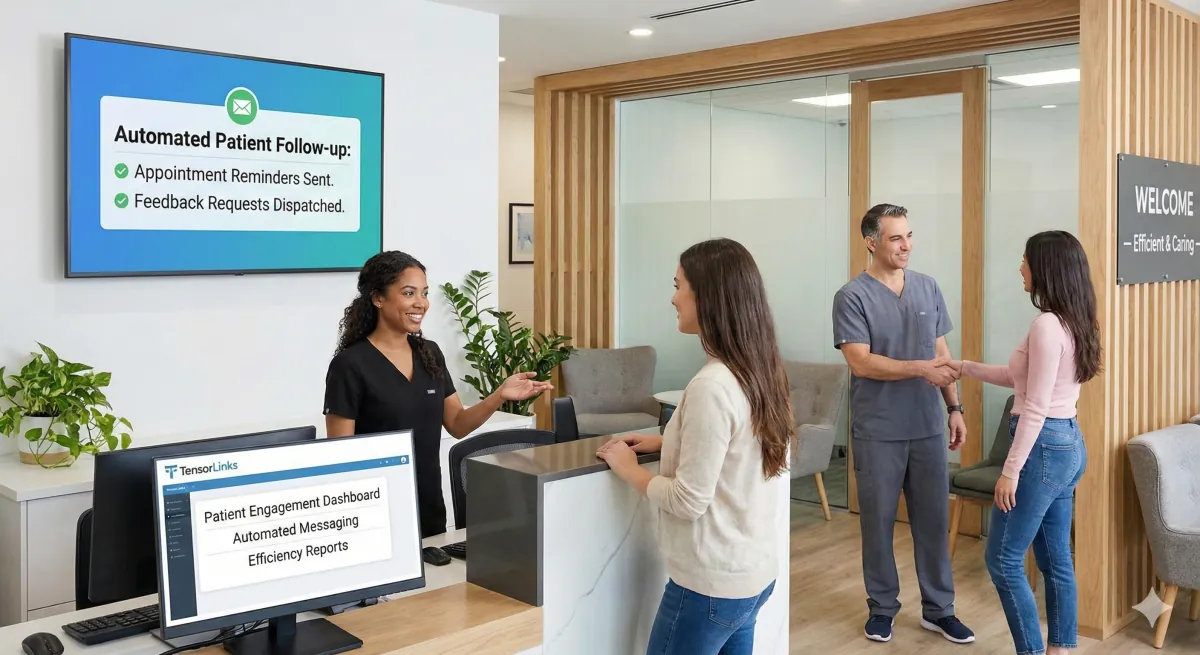
Implementing real-time messaging tools, automated follow-ups, and centralized communication dashboards ensures every patient interaction is timely and clear.
5. Lack of Real-Time Insights
Many dental offices operate reactively — only realizing problems after they've already impacted the bottom line. Without real-time visibility into performance metrics, it's hard to make data-driven decisions.
💡 Solution:
Platforms like TensorLinks give DSOs and dental clinics actionable insights on production, marketing, staffing, and more — all in one intuitive dashboard.
The Bottom Line
Modern problems require smarter solutions. If you're facing any of these challenges, you're not alone — but you don't have to stay stuck. With the right systems and support, you can reclaim your team's time, boost revenue, and deliver the kind of patient experience that keeps people coming back.
Ready to overcome these challenges?
👉 Book a Free Consultation Today
Tags: dental practice management, operational challenges, dental automation, patient communication, insurance delays, staff burnout, no-shows, dental workflow
The Compounding Effect of Unsolved Operational Problems
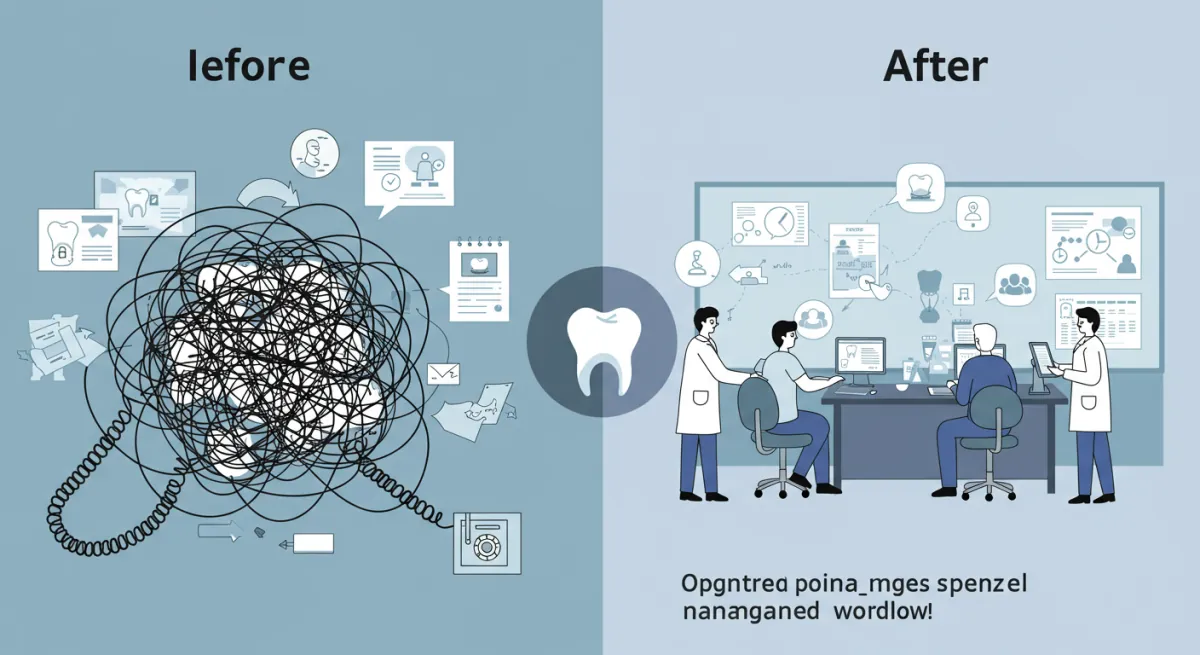
What makes these five challenges particularly dangerous is that they compound over time. A practice with a 12% no-show rate does not just lose the revenue from those empty slots — it also burns out front desk staff who spend hours chasing confirmations, which leads to higher turnover, which means new hires who are less efficient at insurance verification, which creates more claim denials and slower cash flow. Each problem amplifies the others. This is why piecemeal solutions — buying a standalone reminder tool here, an insurance verification add-on there — rarely deliver lasting improvement. The most effective approach is a unified platform that addresses communication, scheduling, recall, and analytics from a single system. TensorLinks' omnichannel platform combines AI-powered voice, SMS, and web chat with direct PMS integration (Dentrix, EagleSoft, Open Dental, Curve) and automated recall campaigns, tackling all five operational challenges simultaneously rather than one at a time.
The staffing dimension deserves special attention. Dental front desk turnover averages 30-40% annually, and each replacement costs $3,000-$5,000 in recruiting and training expenses — not counting the productivity lost during the learning curve. AI automation directly addresses this by reducing the volume of repetitive tasks that drive burnout in the first place. When an AI receptionist handles routine calls, appointment confirmations, and recall outreach, your front desk team can focus on higher-value interactions: greeting patients in person, explaining treatment plans, and building the relationships that drive retention and referrals. Practices using TensorLinks report that staff satisfaction scores improve within 60 days because team members spend more time on meaningful patient interactions and less time tethered to a ringing phone. Plans start at $399/mo — significantly less than the cost of replacing even one burned-out employee.
Frequently Asked Questions
What are the biggest operational challenges facing dental practices in 2026?
The five most common operational challenges are no-shows and last-minute cancellations (costing $150,000+/year), insurance verification delays, staff burnout and high turnover (30-40% annual turnover industry average), inefficient patient communication (30-35% of calls missed during business hours), and lack of real-time performance insights. These challenges compound each other, making a unified solution more effective than addressing them individually.
How does AI reduce staff burnout in dental practices?
AI eliminates the repetitive tasks that drive front desk burnout: answering routine phone calls, sending appointment reminders, chasing confirmations, and making recall calls. By handling these tasks 24/7, AI allows staff to focus on in-person patient interactions and higher-value work. Practices using AI receptionist platforms like TensorLinks report measurable improvements in staff satisfaction within 60 days and reduced turnover rates over 12 months.
Can one platform solve multiple operational challenges at once?
Yes. Unified platforms like TensorLinks address all five major challenges from a single system: AI-powered call answering reduces missed calls, automated reminders cut no-shows by up to 39%, omnichannel communication (voice, SMS, web chat) improves patient engagement, automated recall campaigns maintain schedule density, and real-time dashboards provide the performance visibility needed for data-driven decisions. This integrated approach costs $399-$799/mo versus thousands in separate point solutions.
See How AI Can Work for Your Practice
TensorLinks' AI receptionist answers every call 24/7, books directly into your PMS (Dentrix, EagleSoft, Open Dental, Curve), handles texts and web chats, and runs automated recall campaigns — all from one platform.