How many patient calls is your practice missing?
Most dental practices miss 30-40% of inbound calls. See how AI reception can capture every call 24/7.
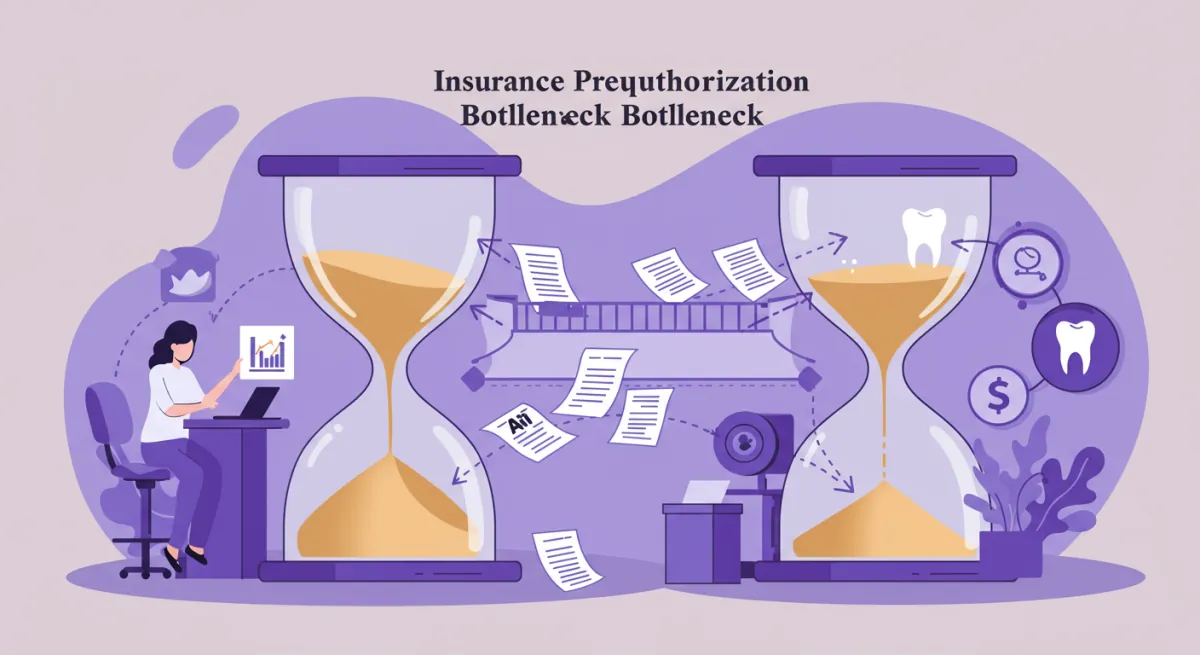
Insurance preauthorization delays can significantly disrupt the workflow in dental clinics, leading to frustrated patients and administrative staff. In this fast-paced industry, where time is of the essence, tackling these bottlenecks is crucial for improving the overall patient experience and maximizing revenue.
Why Preauthorization Matters
Preauthorization is an essential step in ensuring that the dental services provided are covered by the patient's insurance plan. Without proper preapproval, patients may face unexpected costs, affecting their willingness to proceed with necessary treatments. This can lead to canceled appointments and financial setbacks for the clinic.
The Impact of Delays
Delays in preauthorization can result in:
-
•
Decreased patient satisfaction: Patients expect quick and seamless service, and waiting for approvals can be frustrating.
-
•
Resource drainage: Manual processing of preauthorizations is time-consuming and can drain administrative resources.
-
•
Lost revenue: Unresolved preauthorizations may lead to appointment cancellations, hindering the clinic's revenue stream.
Streamlining with Automation
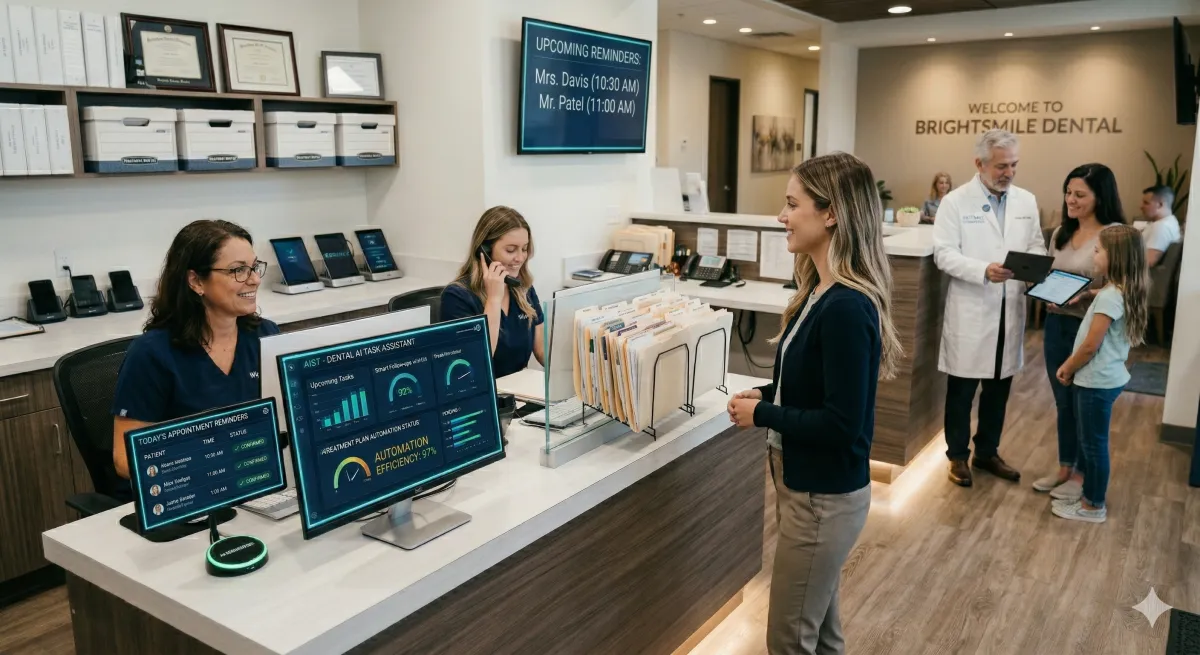
Automation is a game-changer in mitigating preauthorization delays. By implementing the right tools, such as those offered by TensorLinks, dental clinics can automate the submission and tracking of insurance approvals, significantly speeding up the process.
-
•
Efficiency Boost: Automating preauthorization reduces manual data entry, freeing up staff to focus on patient care.
-
•
Accuracy Increase: Automated systems minimize human error, ensuring that the correct documentation is submitted promptly.
-
•
Real-time Tracking: With automation, dental clinics can monitor the status of requests in real time, providing timely updates to patients and reducing anxiety.
Case Example: Dr. Smith's Dental Practice
Dr. Smith's practice was facing frequent patient dissatisfaction due to delays in insurance preapprovals. By implementing TensorLinks' preauthorization automation, the clinic reduced processing time by 70%. Patients appreciated the efficiency, resulting in increased appointment bookings and a 30% boost in monthly revenue.
Conclusion
Addressing insurance preauthorization delays can significantly enhance your clinic's efficiency and patient satisfaction. Embracing automation helps streamline these processes, offering a seamless experience for both staff and patients.
Ready to optimize your clinic's operations?
🚀 Explore Preauth Automation
Tags: preauthorization, insurance delays, dental automation, practice efficiency, revenue optimization
The Financial Toll of Preauthorization Bottlenecks
The American Dental Association estimates that the average dental practice spends 10-14 hours per week on insurance-related administrative tasks, with preauthorization representing one of the most time-intensive components. At an average administrative labor cost of $22-28 per hour, that translates to $11,000-$20,000 annually spent just on insurance paperwork per front desk employee. When preauthorizations stall, the downstream effects compound: treatment chairs sit empty, patients grow frustrated and may seek care elsewhere, and revenue that was already earned through the clinical exam and treatment planning phase evaporates. Practices that automate preauthorization workflows typically recapture 6-8 hours per week of staff time, redirecting that capacity toward patient-facing activities that directly generate production.
How AI Bridges the Gap Between Your PMS and Insurance Carriers
The root cause of most preauthorization delays is not the insurance carrier alone — it is the friction between your practice management software and the carrier's submission requirements. Missing documentation, incorrect CDT codes, and incomplete patient information account for the majority of initial denials and resubmissions. TensorLinks integrates with Dentrix, EagleSoft, Open Dental, and Curve to pull the necessary patient and treatment data directly from your PMS, cross-reference it against carrier requirements, and flag discrepancies before submission. This preemptive validation step eliminates the most common reasons for preauth rejection, reducing the back-and-forth cycle that turns a 3-day approval into a 3-week ordeal. The system operates 24/7, processing submissions and tracking statuses around the clock so your team arrives each morning with updated approval statuses rather than a queue of calls to make.
Keeping Patients Informed Without Adding Staff Burden
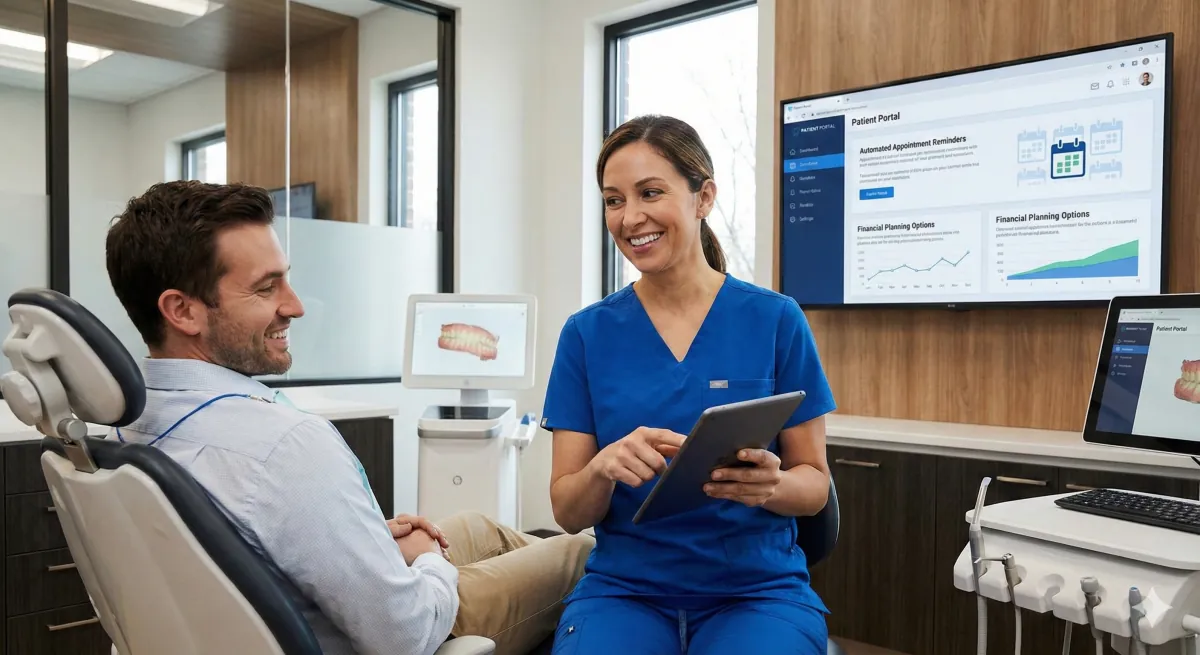
One of the most damaging aspects of preauthorization delays is the communication vacuum it creates for patients. When patients do not hear back about their insurance approval, they assume the worst — either that their treatment is not covered or that the practice has forgotten about them. Both assumptions erode trust and increase the likelihood that the patient will cancel or simply not return. TensorLinks' omnichannel communication platform automatically sends patients status updates via their preferred channel — voice, SMS, or web chat — in any of 24+ supported languages. When the preauthorization is approved, the system proactively reaches out to schedule the treatment appointment, closing the loop without requiring a single manual phone call from your admin team.
Frequently Asked Questions
What percentage of preauthorization requests are initially denied in dental practices?
Industry data suggests that 15-25% of dental preauthorization requests face initial delays or denials, most commonly due to incomplete documentation or coding errors. Automated validation systems like TensorLinks reduce this rate significantly by catching common errors before submission, cutting initial denial rates by up to 60%.
How long does a typical dental preauthorization take without automation?
Without automation, dental preauthorizations typically take 5-14 business days, with complex procedures like implants or orthodontics sometimes extending to 30 days or more. Automated systems reduce this timeline by ensuring clean submissions on the first attempt and tracking carrier response times so staff can escalate stalled requests before they become bottlenecks.
Can TensorLinks handle preauthorizations for all major dental insurance carriers?
Yes. TensorLinks is designed to work across major dental insurance carriers and integrates with leading PMS platforms including Dentrix, EagleSoft, Open Dental, and Curve. The system adapts its submission formatting and documentation requirements to each carrier's specifications, ensuring compliance without requiring your staff to memorize carrier-specific rules.
See How AI Can Work for Your Practice
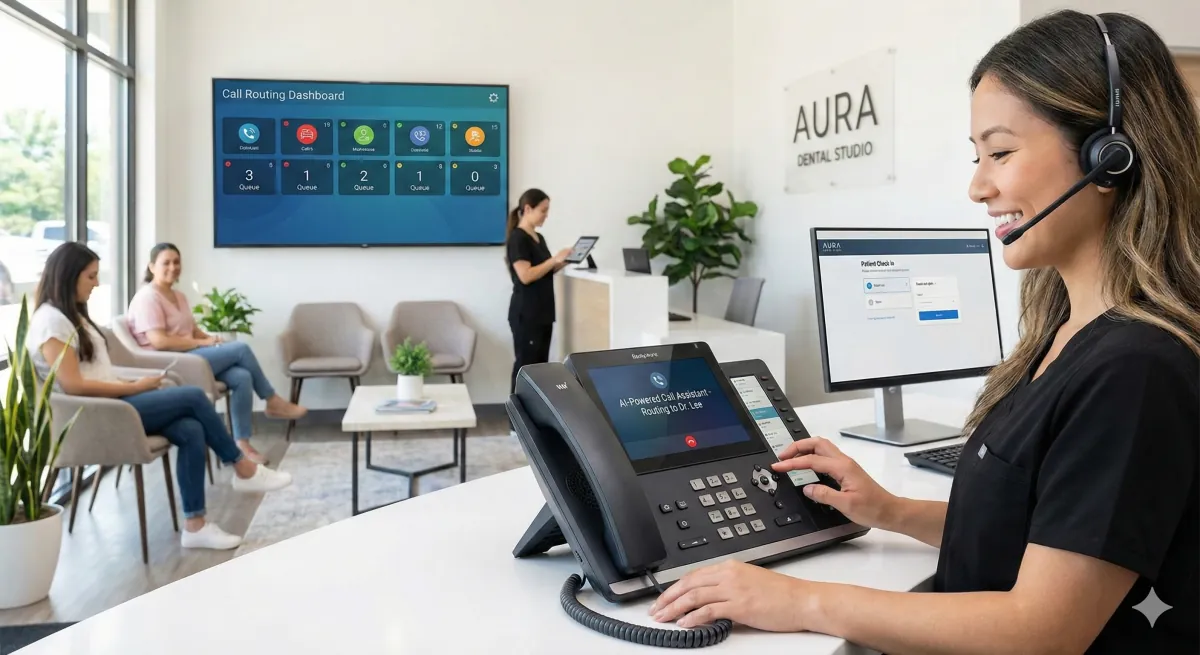
TensorLinks' AI receptionist answers every call 24/7, books directly into your PMS (Dentrix, EagleSoft, Open Dental, Curve), handles texts and web chats, and runs automated recall campaigns — all from one platform.